In-depth insight into immunological challenge models allows for tailor-made approach
Thanks to extensive multi-omics analyses of the immunological challenge models, CHDR can now demonstrate immunomodulatory drug effects in healthy participants at the level of relevant pathways.
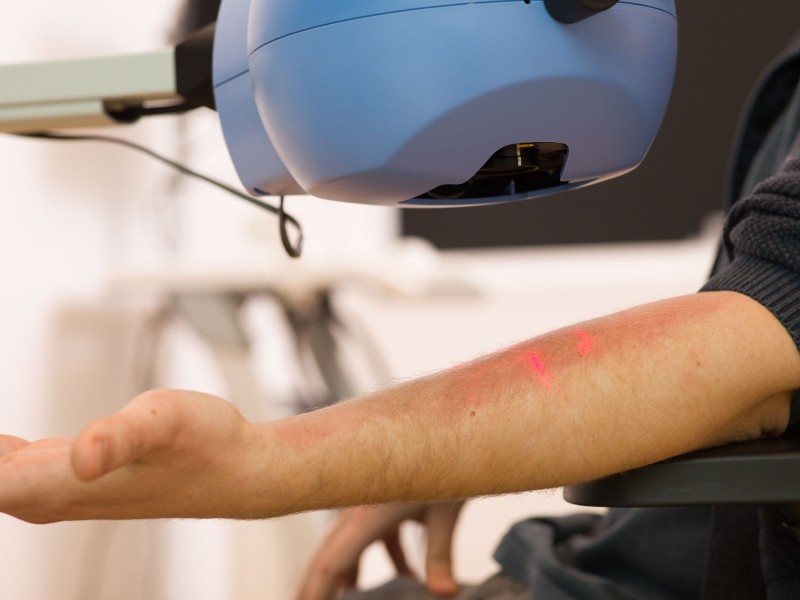
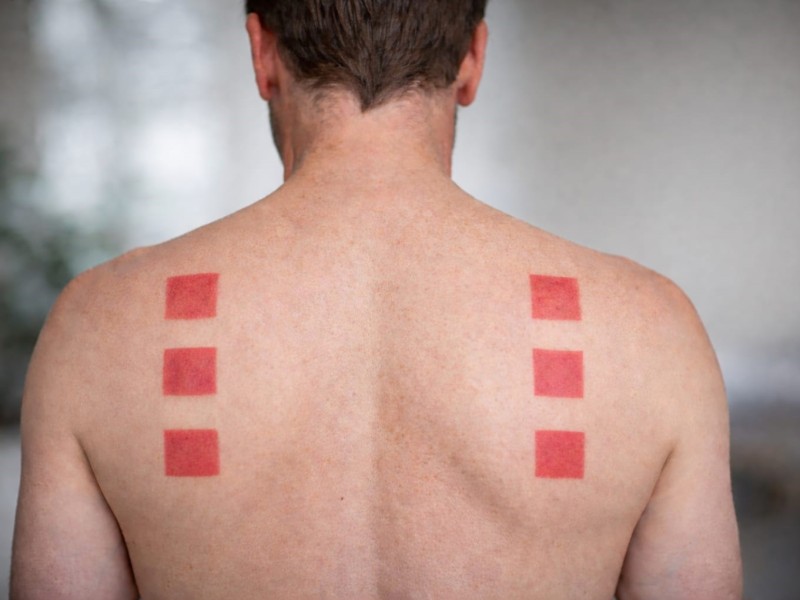
‘As you know, we have years of experience with immunological challenge models that show the effects of immunomodulatory compounds in healthy study participants,’ says Dr Matthijs Moerland, Research Director Immunology. Many sponsored studies have been conducted using these models, based on challenges with bacterial lipopolysaccharide (LPS), imiquimod, or vaccination with the Keyhole Limpet Haemocyanin (KLH) neoantigen. Meanwhile, Moerland and his team have continued to develop and characterise these models, using a multi-omics approach. As a result, they can now draw conclusions from the results of a study in healthy participants with much greater certainty. ‘I know of sponsors who, based on our results, have decided to discontinue the clinical development of a compound because they were sufficiently certain that the drug did not have the desired effect,’ says Moerland.
Model-driven
Modern immunomodulatory compounds are being developed on the basis of detailed insights into the various pathways that lead to an immune response. In their preclinical research, the research team at a pharmaceutical or biotech company has derived a lot of knowledge about the molecular targets of their drug and its downstream effects.
The challenge models of the Immunology Group originally provided global outcome measures, which were convenient for evaluating in vivo pharmacological activity or inactivity of a new compound. Thanks to the scientific work that the group has done in recent years, it is now possible to say in much more detail which pathways are involved in a particular challenge model. This now allows detailed profiling of the exact immunomodulatory effect of a new compound, improving the prediction of the clinical effect of the compound in a particular disease. Thanks to their detailed-omics studies the team now has a much more detailed grasp of each challenge model and the pharmacodynamic information it provides. Much has been learned, for example, by studying at the transcriptomic level the molecular signals triggered by a challenge.
Moerland: 'On the one hand, we look at the overlap, or the relevance of the signalling in the models versus the mechanism of action of the compound. But we also want to be able to predict the clinical usefulness of a drug for a specific condition. Multi-omics data sets are available in the public domain for most conditions with an immunological component. Using these datasets, our bioinformatician can find the ‘sweet spot’ where the signalling in our models overlaps with signalling in the disease. For our clients, this means we can offer them a tailor-made approach, giving them an impression of the effects of their drug on the pathological pathways they want to address in healthy participants. This enables a seamless transition from preclinical drug development to highly informative early-phase clinical development, what I call model-driven clinical drug development.’
Interested in learning more?
More articles from Developing methods